

On August 29, three days after the devastating Bhotekoshi floods, Milan Raila, an eight-year-old from Rasuwa, woke up suddenly at 4 in the morning and complained of severe abdominal pain.
His family had been taking refuge at a relative’s home after their house and, in fact, the entire settlement at Kaindaletar in Uttargaya Rural Municipality were washed away by the August 26 flood.
“We rushed him to the primary health care centre at Jibjibe,” said Bishal Raila, Milan’s relative. “But the doctors there could not figure out what was wrong with him.” Jibjibe, in Kalika Rural Municipality, lies about 20 kilometres north of Kaindaletar. For the Raila family, it took around 45 minutes to reach there by motorbike.
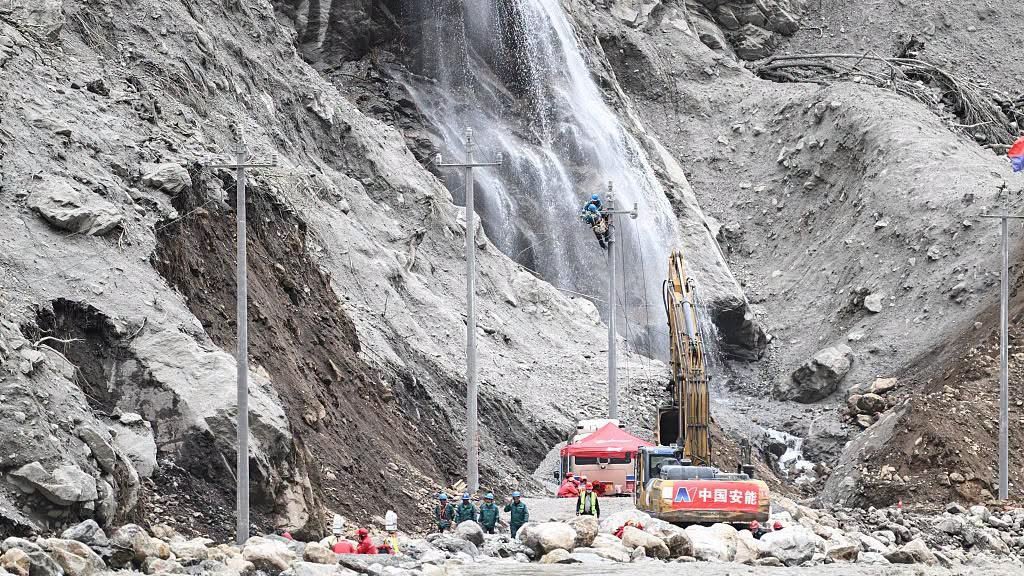
After the Bhotekoshi flood swept away the main highway and bridges, many patients in Rasuwa have been deprived of timely treatment as well-equipped health facilities remain inaccessible.
Before the August 26 disaster devastated communities along the Trishuli river basin, locals generally sought treatment at Trishuli Hospital, which had better facilities, trained doctors and health workers, and was more accessible than the Jibjibe health facility.
Doctors at Jibjibe referred Milan to Rasuwa District Hospital in Dhunche, about 40 kilometres further north of Betrawati. After undergoing several tests, he was diagnosed with appendicitis, an inflammation of the appendix that can become life-threatening if left untreated.
But doctors at the hospital were reluctant to carry out a surgery for appendicitis. Most of them were junior physicians and the hospital is not well equipped to perform a major surgery.
“We kept him at the hospital for two days because there was no ambulance available to take him to Kathmandu,” said Bishal, Milan’s relative. “The access road is narrow, and only a single-lane track has been opened. With the help of a ruling-party leader, we managed to arrange a helicopter rescue.”
Doctors at the Kanti Children’s Hospital in Kathmandu, where Milan was admitted, found that his appendix had ruptured.
“The risk increases when it takes days for a patient with appendicitis to reach an appropriate facility for treatment,” Dr Amrit Prajapati, medical superintendent at the Dhunche Hospital, told the Post over the phone from Dhunche. “We cannot perform the surgery under general anaesthesia, so we referred him to Kathmandu.”
Milan was discharged from Kanti Children’s Hospital on Sunday after undergoing surgery for appendicitis.
Since the floods, most patients from Rasuwa and many from Nuwakot have been unable to reach hospitals for treatment. Previously, Trishuli District Hospital lay just a 10-minute drive away from Kaindaletar. Now it requires a helicopter to reach the facility. Seriously ill patients are being forced to travel for hours to Kathmandu for treatment, while those with less serious conditions are being forced to endure their illnesses at home.
On Monday, 29-year-old Phurpuyamo Tamang of Gatlang in Rasuwa, and her newborn baby were airlifted. After giving birth at Gatlang Health Post, both the mother and baby developed health problems and were flown to Paropakar Maternity and Women’s Hospital in Kathmandu for further treatment.
As Aamachhodingmo Rural Municipality has been completely cut off from the transport network because of the flood, it was not possible to take them to a health facility immediately by road, necessitating the air evacuation.
Pasang Mhando Tamang of Thulo Haku in the same local unit has also fallen ill since her 21-year-old son went missing in the floods. She has repeatedly lost consciousness. She needs to be brought to Kathmandu for treatment, but the flood has severed the area’s connection with the district headquarters, leaving her stranded in the village.
Doctors at Rasuwa district hospital said patients from Kalika Rural Municipality and Uttargaya rarely visited it before the Bhotekoshi flood. Trishuli Hospital in Nuwakot was closer and more convenient.
